Seasonal EYFS Activity Planning: A Month-by-Month Guide for Childminders
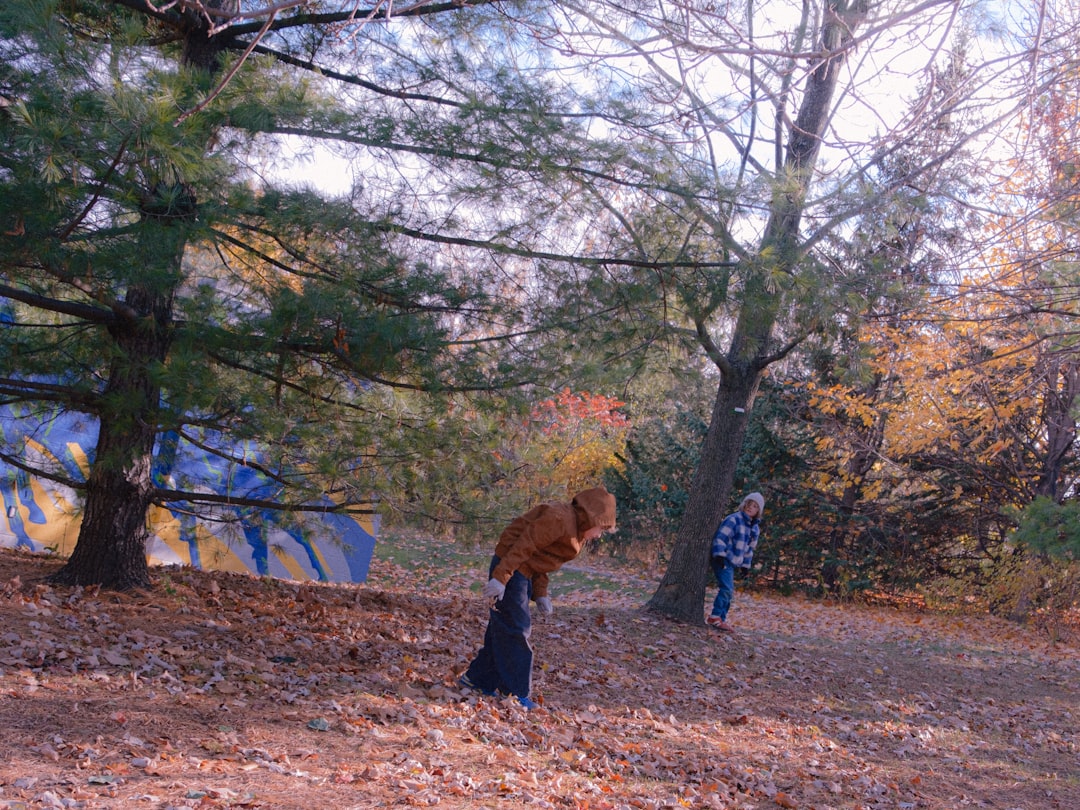
Photo by Jim Luo on Unsplash
One of the best things about working as a childminder is the rhythm of the year. The seasons give you a natural planning framework that doesn't require a complicated curriculum document or a colour-coded spreadsheet. Children respond brilliantly to seasonal change, partly because it's concrete and real, and partly because the world outside actually looks different. That conker you brought in from the park in October? Far more interesting than any plastic manipulative I've ever bought.
That said, seasonal planning does take some forethought. Rushing into November without a stash of autumn resources, or hitting June with no outdoor water play set up, makes for stressful weeks. This guide runs month by month through the year so you can plan ahead, link activities to the EYFS areas of learning, and stop reinventing the wheel every term.
Why Seasonal Planning Works So Well in EYFS Settings
Children under five are concrete thinkers. Abstract themes like "transport" or "people who help us" can feel a bit disconnected, especially for babies and toddlers. Seasons are different. They're tangible. The cold air, the wet leaves, the longer evenings, the smell of sun cream in July. Children notice these things without being told to, and that natural curiosity is the best starting point for any activity.
Seasonal planning also helps enormously with covering the seven areas of learning without it feeling forced. A muddy autumn walk covers physical development, communication and language, understanding the world, and expressive arts all at once. That's your planning done and it cost you nothing except a pair of wellies.
It also makes communication with parents much easier. Seasonal themes are something families can extend at home, and if you're sending out a monthly newsletter, you've already got a coherent thread running through it.
Autumn: September, October, November
September is always a funny month. You're welcoming new children, settling others in, and trying to remember where you put the laminator. I'd keep planning light in the first two weeks and use that time to observe what the children are drawn to. Their interests will shape everything else anyway.
Once everyone's settled, autumn really does offer a brilliant palette. Conkers, acorns, leaves, pine cones, spiders' webs on cold mornings. Get outside as much as you can before the weather turns properly nasty. A weekly nature walk where children collect whatever catches their eye gives you materials for weeks of activities back inside. Sorting leaves by colour or size ticks maths. Drawing the shapes of leaves is expressive arts. Talking about where they came from is understanding the world. One walk, multiple areas covered.
October brings Halloween and Bonfire Night, both of which you may or may not want to include depending on the families in your setting. I tend to do "things that glow in the dark" as an alternative to spooky themes, which works just as well for colour mixing and light exploration. Glow sticks in a dark den, coloured torches, reflective materials. Children are absolutely captivated.
November is when I double down on sensory play. The weather means we're indoors more, and sensory trays with seasonal materials keep children engaged. Dried pasta dyed in autumn colours, clay with leaf prints pressed in, small world play in a tray of kinetic sand with mini animals. These also support children who find the transition to darker, colder days unsettling. If you work with children who have sensory processing differences, it's worth reading up on adapting your environment so sensory play feels safe rather than overwhelming.
Autumn is also a good time to build in some schema-based planning. Children going through a transporting schema will love moving those conkers from place to place. Children in an enveloping phase will wrap everything in leaves. If you're not sure how to spot and extend these patterns, the post on understanding schemas in early years is worth bookmarking.
Winter: December, January, February
December is always a bit chaotic. Christmas preparation takes over, nativity costumes appear, and somehow you also need to do your end-of-term paperwork. I try to keep the actual child-facing planning simple in December and lean into sensory and exploratory play that's loosely Christmas-adjacent without being overwhelming. Beeswax candle rolling, salt dough decorations, simple wrapping and unwrapping activities (brilliant for fine motor skills), and lots of books.
The end of December is also when I write up end-of-term summaries. If you find that process tricky, there's a really practical guide on writing meaningful end-of-term reports that's helped me get them done without agonising over every sentence.
January can feel flat. The children are tired from Christmas, you're tired, and it's January. My honest advice: don't overcomplicate it. Consolidate rather than introduce loads of new things. Use January to go deeper into activities from the autumn term. Can we do more with those natural materials? Can we extend the small world play that was popular in November? Children often surprise you when you revisit something rather than rushing onto the next thing.
That said, winter does have its own magic. Ice is genuinely thrilling for young children. Freeze small objects in water overnight and let children explore the block with warm hands and pipettes of warm water. Frost patterns on windows, cold breath forming clouds in the air, birds visiting the garden for food. There's plenty of understanding the world content available if you actually go outside and look at it.
February brings Lunar New Year (which varies by year but often falls in January or February), Valentine's Day if you want it, and the very first signs of spring appearing if you're paying attention. Snowdrops and crocuses are up by mid-February most years. Noticing those early signs of spring is far more valuable than another red-and-pink craft activity.
Spring: March, April, May
Spring is probably the most generous season for early years planning. Everything is changing rapidly and visibly, which is exactly what young children need. Buds appearing on trees, tadpoles in ponds, caterpillars hatching from eggs, lambs in fields if you're lucky enough to be near a farm. The real world is basically running the science curriculum for you.
I'd strongly recommend setting up a mud kitchen or a digging patch if you haven't already. March and April are wet, which makes digging brilliant. Children get full-body physical development from digging, pouring, and mixing, and the imaginative play that happens around a mud kitchen is extraordinary. If you want to take outdoor learning further, the guide on running forest school-style sessions has some genuinely useful ideas for how far you can go without a formal qualification.
Growing things is an obvious spring activity but it's obvious because it works. Sunflowers and cress are the childminding classics for good reason. Children can water, observe, and measure. You can take height photographs every week. The language that comes out of watching something grow ("It's getting taller!", "The leaves are soft", "Why is it going yellow?") is exactly the kind of spontaneous communication and language development you're hoping for.
Easter brings opportunities for egg hunts, decorating, and talking about new life. I tend to keep it simple. A cardboard egg decorated with tissue paper, a small garden hunt for hidden eggs. The commercial pressure around Easter can be a lot, and to be honest, the children are more interested in the mud than the foil-wrapped chocolate.
May is also a good time to think about any children who might be moving on to school in September. Transition planning, school visits, and supporting children's understanding of what comes next is worth starting well before the summer term begins. For children with additional needs, a proper SEND support plan should be reviewed and updated so it can be shared with the receiving school in good time.
Summer: June, July, August
Summer is when outdoor provision really comes into its own. Water play, paddling, shadow play, chalking on paths, bug hunting, picnics. If you can move as much of your provision outside as possible in June and July, do it. Children learn better when they're not cooped up, and frankly you'll all be happier.
Water play deserves more credit as a learning tool. It's not just a filler activity on a hot day. Pouring and filling develops mathematical understanding of capacity. Working out how to direct water from one container to another is early engineering thinking. Talking about what sinks and floats is science. And the concentration span of a child playing with water is often far longer than anything you'd see at a table activity.
The seasonal outdoor activities guide covers summer provision in some detail if you want more specific ideas.
July tends to be the busiest administrative month for childminders. Annual reviews, parent meetings, Ofsted paperwork if you're due an inspection. It's easy to let the planning feel like an afterthought. I'd suggest doing your summer term planning in late May so you're not scrambling. Having a loose framework for June, July, and August means you can adapt to the weather and the children's interests without starting from scratch each week.
August is holiday season. Many childminders take at least two weeks off, and the children in your setting may also be away at different points. This is a good month to plan more flexible, drop-in style activities rather than anything that requires consistent attendance. Art exploration, open-ended construction, lots of outdoor time. Keep it relaxed. The children who are with you in August often enjoy the quieter pace.
Making It All Manageable
The honest answer to "how do I do all of this?" is: you don't need to do all of it. A monthly plan with three or four key activities or provocations is enough. The seasonal thread gives you a starting point, the children's interests give you the direction, and your observations give you the evidence.
I'd suggest keeping a simple planning document that maps each month to the season, lists two or three activity ideas, and notes which areas of learning they cover. That's all you need. You don't need a ten-page curriculum document to have a well-planned EYFS setting.
One thing that makes a genuine difference is thinking about language development alongside every activity. What vocabulary will the children encounter? What questions will you ask? What books connect to what you're doing that week? If you're unsure whether a child's language is developing as expected, the speech and language milestones guide is a useful reference to keep handy.
The seasons are doing a lot of the heavy lifting for you. Your job is to get the children outside, provide interesting materials, ask good questions, and write down what you see. That's really it.
Save hours on planning and paperwork
EduNest helps childminders, nurseries, and teachers with EYFS planning, progress checks, and more. Try it free.
Get Started FreeRelated articles
How to Plan EYFS Activities Around the Seven Areas of Learning
Planning EYFS activities across all seven areas of learning is one of those things that looks straightforward on paper but quickly becomes a tangled mess of sticky notes and good intentions. This article cuts through the noise and explains how the prime and specific areas actually fit together — so your planning works with children's development rather than alongside it.