How to Write a Nursery Newsletter Parents Actually Read
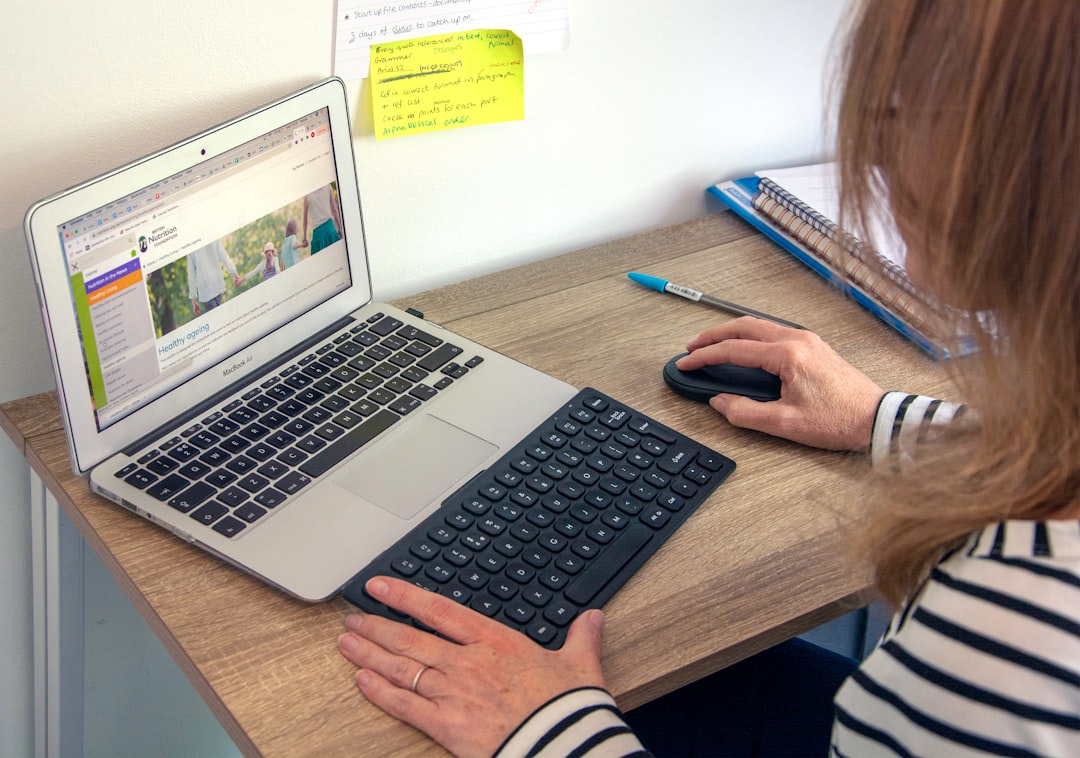
Photo by Katie Franklin on Unsplash
Most nursery newsletters end up in the bin. Not always the physical bin, but definitely the mental one, that place where parents file things they opened, scanned for their child's name, and immediately forgot. I know this because I've written newsletters that did exactly that, and I've also spoken to enough parents over the years to know that a wall of text about upcoming themes and "exciting learning opportunities" is not what gets people engaged.
The good news is that writing a newsletter parents genuinely look forward to isn't about having more time or being a better writer. It's about understanding what parents actually want to know, and then saying it clearly and directly.
Why most nursery newsletters don't work
The biggest problem I see is that newsletters are written for Ofsted, not for parents. They're full of correct vocabulary ("we have been developing fine motor skills through play-based experiences") that ticks boxes but says almost nothing to a parent who just wants to know what their child did this week.
A parent reading your newsletter at 10pm after a long day doesn't care that you've been "exploring the natural world through sensory experiences." They care whether their child painted something, made a new friend, or cried at drop-off and then cheered up. That's the stuff parents talk about at the dinner table. That's what makes them feel connected to your setting.
The second issue is format. A long block of text with one or two stock photos is not going to compete with everything else on someone's phone screen. You've got maybe thirty seconds to get someone's attention before they swipe away. The structure of your newsletter matters as much as what's in it.
Length is also worth thinking about honestly. Two pages stuffed with information is not better than one well-edited page. I'd rather write 400 words that parents read than 1,200 words that don't.
What to actually put in it
Parents want three things from a nursery newsletter: to feel informed, to feel connected to what their child is doing, and to know what's coming up so they can plan. Everything you include should serve at least one of those purposes.
A peek into the week is the single most-read section in any newsletter I've produced. A few sentences describing what children have actually been doing, written with specific detail, not generic themes. "We've been absolutely obsessed with mud this week after the rain on Tuesday. Several children built a dam in the garden and spent the better part of an hour testing whether sticks and leaves could block the water. It didn't work, for what it's worth, but the experimenting was genuinely brilliant to watch." That's the kind of thing parents screenshot and send to grandparents. Compare it to: "We have been exploring outdoor environments and developing scientific thinking." Same activity. Completely different effect.
Upcoming dates and reminders need to be somewhere obvious, ideally near the top or in a clearly formatted section of their own. Don't bury "non-uniform day next Friday" in the third paragraph. Parents will miss it, and then you'll spend the morning of non-uniform day explaining it to families arriving in full uniform who feel embarrassed. I've been there.
A spotlight on a specific area of provision works well on a rotation. One newsletter might focus on what's been happening in the book corner, another on construction play, another on a recent baking session. This gives you a ready-made structure and means over a term you've given parents a much fuller picture of everything that happens in your setting. It also naturally lends itself to links back to how children are learning, without having to use jargon to explain it. If you're already thinking carefully about planning across the seven areas of learning, your newsletter can reflect that breadth without parents needing to know what "communication and language" means in formal terms.
A short family prompt at the end can be genuinely useful. Not a homework task, nothing that adds pressure, just something like: "This week you could ask your child about the caterpillar they found under the log pile. They'll probably want to tell you all about it." This gives parents an in. A lot of families really struggle with "what did you do today?" when a tired three-year-old responds with "nothing." Giving them a specific conversation starter closes that gap.
Getting the tone right
Write to parents the way you'd speak to them at the gate. Not the formal version of yourself you might use for written reports, and not over-casual either, somewhere in the middle. The newsletter is a conversation, not a document.
Use "we" to mean the team, and use children's names where you can (or at least refer to "one of our children" with enough detail that parents know their child is seen as an individual). Avoid passive constructions. "The children were encouraged to explore" sounds like it was done to them. "The children spent ages building" sounds like something real happened.
Humour helps, used lightly. A brief mention that someone announced at lunchtime that pasta was "the worst thing they'd ever eaten" and then asked for seconds will make more parents smile than any formal statement about mealtimes and nutrition. It also shows that you actually know and notice the children as individuals, which is ultimately what parents want reassurance about.
Don't be afraid to include a small team update. If a member of staff has completed a training course, say so. If someone new is joining, introduce them briefly. Parents appreciate knowing who is in the room with their child. It builds trust, and trust is what keeps families at your setting long-term.
A word on complaints and sensitive topics: the newsletter is not the place to address them. If there's been an incident, a policy change, or a safeguarding concern to communicate, that needs its own separate communication, handled carefully and directly. Keep your newsletter warm and forward-looking.
Practical things that actually improve readership
Send it at the right time. Monday morning or Sunday evening tends to work well because parents are planning the week ahead. Friday afternoon is when people have already mentally switched off, and Saturday gets buried under weekend life. Test a couple of different send times and see what your open rates look like if you're using an email platform.
Subject lines matter more than most settings realise. "Nursery Newsletter: Week 6" tells a parent nothing. "Mud dams, caterpillars, and a very important birthday: this week at nursery" gives them a reason to open it. The subject line should be a preview, not a label.
Photos make an enormous difference. A few genuine, natural photos of children engaged in activities (with appropriate consent in place, obviously) will be what parents look at first. They scan for their child's face, and if they see it, they read the caption, and then they read the surrounding text. That's the attention funnel. Use it.
If you're sending digitally, keep formatting clean. Not everything needs a heading. Not everything needs to be in a box or a column. A readable font at a sensible size, some white space, and good photos will carry you further than elaborate design. Canva is fine. A simple email template is fine. Don't spend two hours on design when you could spend that time on writing something worth reading.
Length, again: aim for something that takes about two minutes to read. If it's taking you much longer than that to write it, you're probably including too much. Cut the section that feels like filler. If you're struggling to fill it out, you're probably sending too frequently. Fortnightly newsletters are often better than weekly ones, because you have more to say and parents don't feel overwhelmed.
Archiving your newsletters somewhere parents can access them later is worth setting up if you haven't already. Not everyone reads things immediately, and being able to say "it's on the parent portal" or "check the website" saves you answering the same questions repeatedly. It's also useful when new families join partway through the year and want to understand what your setting is about.
Think about accessibility while you're at it. Not all families have English as a first language. A newsletter that relies entirely on dense text will exclude some of your community. Photos help. Short sentences help. If you have families who speak specific languages, even a brief translated note or a Google Translate link can show that you're thinking about them.
It's also worth making sure the newsletter reflects your safeguarding awareness. If you're ever sharing information about external visitors, activities off-site, or other settings, keep your safeguarding responsibilities front of mind when deciding what to include and how to phrase it.
The one thing worth getting right above everything else
Specificity. It beats everything else on this list. The more specific you are, the more trustworthy you sound, the more parents feel their child is known and cared for, and the more interesting your newsletter actually is to read.
"We've been looking at animals" is not specific. "We've been completely taken over by snails this week, after one of our children brought in a shell they found in their garden" is specific. One of those sentences makes a parent feel something. The other doesn't.
The same applies to learning. Rather than naming curriculum areas by their formal titles, describe what you actually saw. "Two children worked together for almost twenty minutes trying to figure out how to balance a block tower on a curved surface. They kept adjusting, trying different combinations, disagreeing and trying again." Any parent reading that can see the thinking, the persistence, the collaboration. You don't need to add "this supports the characteristics of effective learning" for it to be powerful, though you can if you want to.
If you're also writing end-of-term reports, the habit of specific observation you build through your newsletters will carry straight over into that process. The same approach to writing meaningfully about individual children applies in both contexts.
The practical takeaway here is simple: before you send your next newsletter, read it back and ask yourself whether it sounds like it was written about real children by someone who was actually there. If the answer is yes, send it. If it sounds like it could have been written about any nursery anywhere, in any week of the year, rewrite it until it couldn't.
That's the whole job, really. Be specific, be warm, and trust that parents want to know what's actually happening. They do. Most of them are just waiting for a newsletter that shows them.
Save hours on planning and paperwork
EduNest helps childminders, nurseries, and teachers with EYFS planning, progress checks, and more. Try it free.
Get Started FreeRelated articles
How to Have Difficult Conversations with Parents: A Practical Guide for Early Years Practitioners
Difficult conversations with parents are an unavoidable part of working in early years — and the longer you put them off, the harder they tend to get. This guide offers straightforward, practical advice for approaching those moments with honesty and confidence, without needing a perfect script.
How to Write Meaningful End-of-Term Reports for Early Years Children
End-of-term reports for young children sit at an uncomfortable crossroads: too vague and parents learn nothing, too formal and you lose the warmth that defines early years practice. A practitioner with years of nursery and reception experience shares what she's learned — including the mistakes that took embarrassingly long to fix.