How to Write Meaningful End-of-Term Reports for Early Years Children
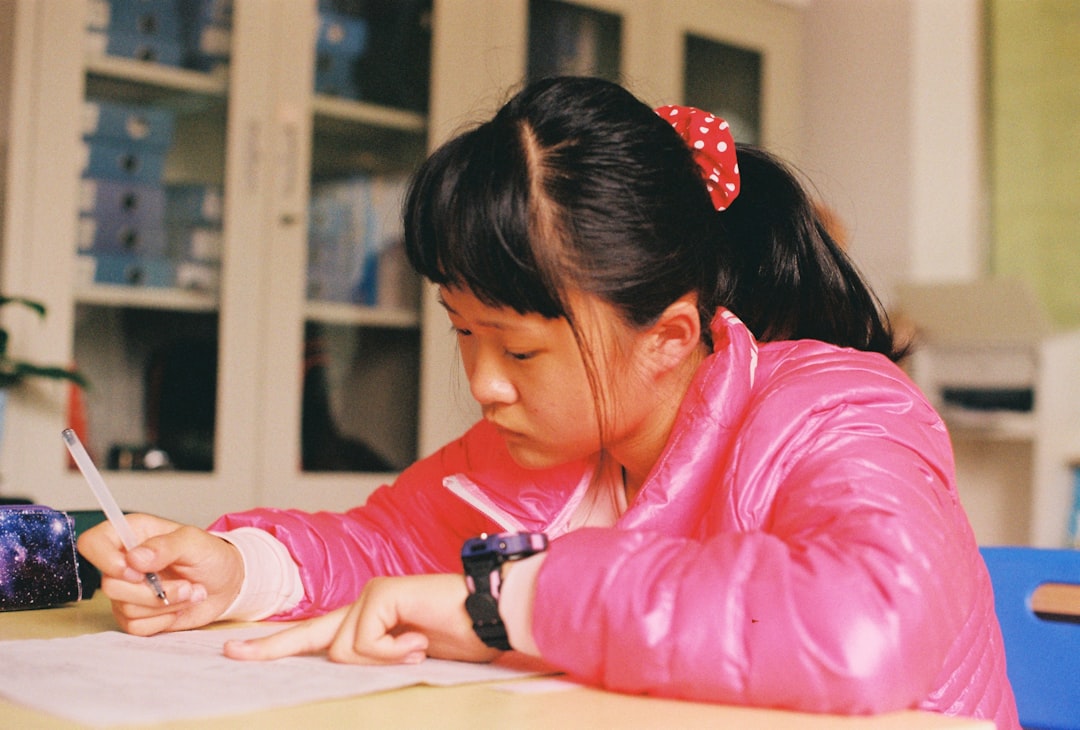
Photo by 人约黄昏后 on Unsplash
Report writing season. Even typing those words brings back the memory of sitting at my kitchen table at 9pm in July, surrounded by Post-it notes, trying to write something meaningful about twenty-eight children before the end of term. If you've been in early years for any length of time, you know the feeling.
The thing is, end-of-term reports for young children are genuinely hard to get right. They sit at this awkward intersection of professional documentation, parental reassurance, and actual honest communication. Write them too vaguely and parents learn nothing. Write them too formally and you lose the warmth that makes early years different. Get the tone wrong and you've inadvertently alarmed a parent over something minor, or glossed over something they really needed to know.
I've written hundreds of these over the years, across nursery and reception settings, and I've made most of the mistakes there are to make. What follows is what I've learned, including some things that took me embarrassingly long to figure out.
Start with what you actually know about the child
This sounds obvious, but the number of reports I've read (and, to be honest, written early in my career) that could have been written about almost any child in the setting is alarming. Phrases like "enjoys exploring the environment" and "is developing confidence in social situations" are so broad they're practically meaningless.
Before you write a single word, pull out your observations. Look at your Learning Journey or your tracking system, whatever you use. What are the specific things this particular child does? What made you stop and reach for your camera last week? Alfie who always heads straight for the small world animals and can tell you the difference between a Shetland pony and a shire horse. Nadia who asks "but why?" approximately forty times a morning. These specifics are what make a report feel real.
One technique I'd recommend is writing three concrete observations at the top of a blank document before starting each child's report. Don't use them all verbatim, but they anchor you. They stop you drifting into the generic language that creeps in when you're tired and you've got twelve more to write before Friday.
Writing about progress without drowning in jargon
Parents don't think in Development Matters bands. They don't lie awake wondering whether their three-year-old is "at age-related expectations." What they want to know is: is my child happy? Are they doing well? Is there anything I should know about?
That doesn't mean you avoid saying anything substantive. It means you translate. "Zara is consolidating her understanding of early phonics" doesn't land. "Zara is really getting to grips with letter sounds. She can hear the first sound in words reliably now and she was very pleased with herself last week when she spotted that 'park' starts with the same sound as her name" actually tells a parent something.
The EYFS asks us to report on children's progress across the seven areas of learning, which is the right framework, but there's no rule that says you have to write it in EYFS language. Translate it. Speak like a human being who knows this child.
I'd also say: don't try to cover everything. A report that touches on all seven areas in one rushed paragraph each tells parents nothing useful. I'd rather write three paragraphs that genuinely illuminate how a child is doing in the areas that matter most for them right now, and mention the others more briefly. Prioritise what's actually significant.
Talking about strengths without being sycophantic
There's a version of the positive report that's so relentlessly upbeat it stops being believable. "Liam is a wonderful addition to our setting and always brings a smile to everyone's face." That's lovely. It's also not a report, it's a birthday card.
Real strengths are specific. "Liam has real persistence. I've watched him try to build a tower with the large blocks at least eight times in a single session, each time adjusting what he does when it falls. That kind of stick-at-it attitude will serve him well." That tells a parent something true and meaningful about their child's character and approach to learning.
Writing honestly about difficulties
This is where most practitioners, especially newer ones, struggle most. The instinct is to soften everything to the point of invisibility. I understand why. Nobody wants to upset parents, and there's a real fear of it going wrong. But parents deserve honest information, and a report that hides genuine concerns does everyone a disservice, including the child.
The key is separating the behaviour or difficulty from any judgment about the child or the family. "Jake finds it really hard to manage when activities change and he doesn't have warning. We've found that giving him a five-minute heads-up helps a lot, and we'd love for you to try this at home too" is honest, practical, and positions the parent as a partner rather than a problem. "Jake struggles with transitions" on its own is almost useless: it doesn't explain what that looks like, doesn't offer any way forward, and doesn't invite collaboration.
If there's something genuinely significant, a concern about speech and language or development that you've already discussed with SENCO or raised in a parents' meeting, the report isn't the place to introduce it for the first time. That should always happen in a conversation, ideally with time and space for questions. The report can then reference what you've discussed. Springing something serious on a parent in a written document, with no opportunity to ask questions, isn't good practice.
For smaller things, be direct but kind. "Maya is still working on listening when there are a lot of distractions around. It's very normal at her age, and we're using some specific strategies in circle time to help her" is clear without being alarming. It's honest without being brutal.
Getting the language and tone right
A few practical things I've found make a real difference.
Write in the present tense where possible. "Theo enjoys" rather than "Theo has enjoyed." It makes the report feel alive and current, like you're talking about the child right now, not filing a historical record.
Use the child's name frequently. It sounds small, but it keeps the report feeling personal. If you read a paragraph back and it could apply to any child in your setting, it probably needs more of the child in it.
Avoid the passive voice. "Good progress has been made in self-care skills" is weak. "Rania now gets herself dressed after PE with very little help and is visibly proud of it" is strong. Subject, verb, specific detail.
Don't write things you wouldn't say out loud to the parent's face. If you'd feel uncomfortable saying it in a meeting, it probably needs rewording. Not because you should hide things, but because the written word often reads harsher than the spoken one. Read your drafts aloud. Seriously. You'll catch things.
Check for the words that practitioners lean on when they're short of time. "Explores," "engages with," "demonstrates," "shows an interest in." These aren't wrong, but they're often used instead of saying something specific. "Engages with construction activities" versus "spent forty-five minutes last Tuesday building what she told me was a hospital for cats, adding a separate section for dogs when she decided they shouldn't mix." One of those is a report. The other is documentation.
A note on sentence length
Vary it. Short sentences land. Longer ones, where you're drawing connections between different observations or explaining your thinking as a practitioner, give parents a sense that you've genuinely thought about their child rather than ticking a box. A report that reads like a list of bullet points with some verbs added feels impersonal, even if all the information is technically correct.
The practical side: making report writing manageable
I won't pretend the logistical challenge doesn't exist. In most early years settings, writing reports happens on top of everything else, often without dedicated time built in. Here's what I've found actually helps.
Keep brief notes throughout the term with reports in mind. Not a whole system, just a note when something stands out: a funny thing a child said, a breakthrough moment, something that surprised you. Even a few words in a notebook or on your phone. When July comes and you're staring at a blank document, having six weeks of small observations is worth far more than trying to reconstruct a whole term from memory.
Write the hardest reports first. The ones where you're not sure what to say, or where there are sensitivities. Get them done on Monday morning when you have energy. Saving them for the end of the week when you're flagging is how you end up writing something vague and inadequate.
Have a trusted colleague read a few. Not to check your spelling, but to see whether they can tell which child you're writing about. If they can't, the report needs more specificity.
It's also worth thinking about format. Some settings have very prescriptive templates that you fill in section by section. Others give you more freedom. If you have any say in the format, I'd push for something that allows for a few paragraphs of free prose rather than just tick boxes and grades. Tick boxes tell parents almost nothing on their own. A well-written paragraph tells them something real.
If you're a childminder writing reports solo, the pressure is slightly different. You probably know each child extremely well, which is a real advantage. The risk is that you assume parents know what you know, because you've spoken to them every day. The report still needs to make explicit what might feel obvious to you: that Ollie has moved from parallel play to genuinely playing alongside other children at group session, that Priya is now sleeping for a full hour rather than forty minutes. These feel small day-to-day but they're the kind of things parents treasure.
One last thing. Don't forget that these reports are documents parents often keep. I've had parents tell me years later that they still have the nursery report from when their child was three. They re-read them. That's not pressure, but it is worth bearing in mind. A report that took you twenty minutes to write carefully might be read and reread for years. One that was done in five minutes at the end of a long day reads exactly like that.
Write the report you'd want to receive about your own child. Specific. Warm. Honest. Something that tells you a person who genuinely knows your child took the time to put it into words. That's the standard to aim for, and it's achievable even when you're tired and there are sixteen more to write before Friday.
Save hours on planning and paperwork
EduNest helps childminders, nurseries, and teachers with EYFS planning, progress checks, and more. Try it free.
Get Started FreeRelated articles
How to Have Difficult Conversations with Parents: A Practical Guide for Early Years Practitioners
Difficult conversations with parents are an unavoidable part of working in early years — and the longer you put them off, the harder they tend to get. This guide offers straightforward, practical advice for approaching those moments with honesty and confidence, without needing a perfect script.
How to Write a Nursery Newsletter Parents Actually Read
Most nursery newsletters get a quick scan for the child's name and nothing more — not because parents don't care, but because the writing wasn't meant for them. This guide cuts through the Ofsted-speak to show you what parents actually want to read, and how to say it in a way that sticks.