Seasonal Outdoor Activities for EYFS: A Practical Guide for Childminders and Nursery Staff
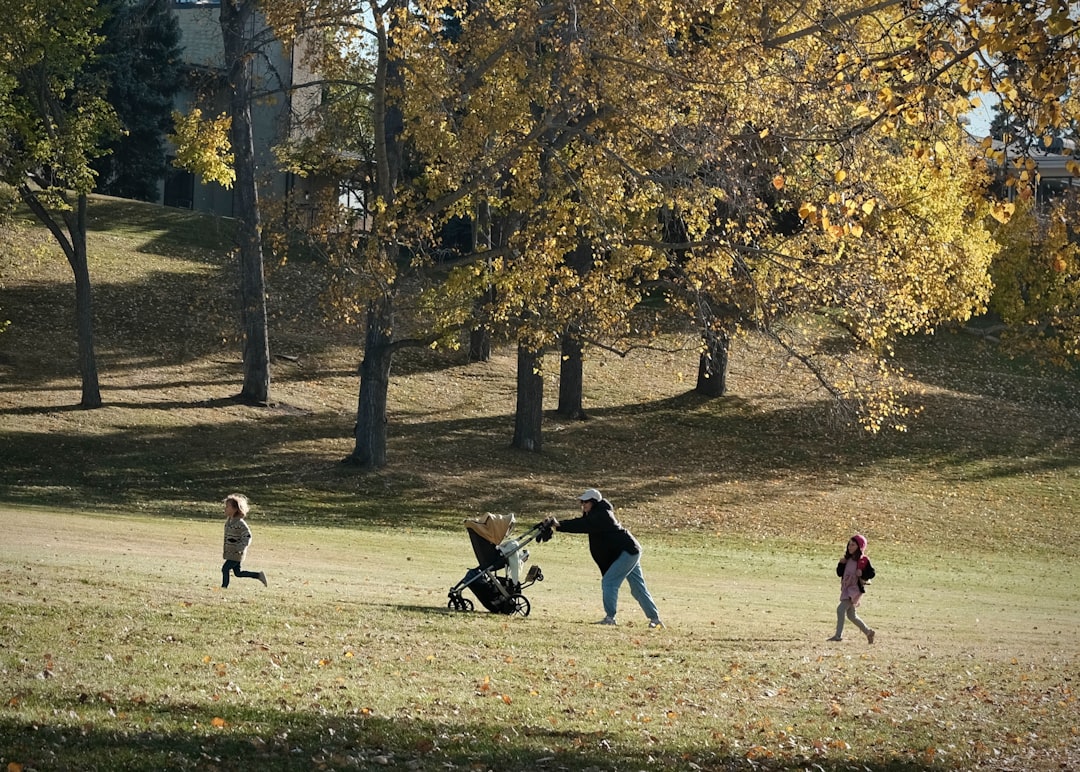
Photo by Kris Tian on Unsplash
Getting children outside is one of the best things we do. I know that sounds obvious, but it bears saying because it's easy to let outdoor time become the bit that gets squeezed when it's cold, when there's a Ofsted visit looming, or when the garden is a mud pit. Every season brings its own magic and its own headaches, and honestly, the headaches are worth it.
This guide covers practical, specific activities for each season, with a focus on what actually works in real early years settings. Not beautiful Pinterest boards. Real life, with wellies that don't fit and children who eat mud.
Why Seasonal Outdoor Learning Matters for EYFS
The EYFS framework is clear that children learn best through play, and outdoor environments offer things that indoor ones simply can't replicate: unpredictable sensory experiences, real risk, physical challenge, and the kind of open-ended discovery that no activity table can match. Development Matters emphasises outdoor access as an entitlement, not an extra.
Seasonal activities do something beyond that, though. They teach children that the world changes, that time passes, and that there's something worth noticing every month of the year. A child who has watched the same tree lose its leaves in October, stand bare in January, and burst into blossom in April has learned something about the world that no picture book fully captures.
If you're planning outdoor provision alongside your indoor EYFS activities, it helps to think about how the seven areas of learning map onto what's available outside at each time of year. There's a full breakdown of how to do that in how to plan EYFS activities around the seven areas of learning, which is worth reading alongside this guide.
Autumn: The Easiest Season to Get Right
Autumn is the golden period for outdoor EYFS provision. The colours, the textures, the dramatic change happening in front of children's eyes. It's one of those times where you don't need to plan much because the environment does most of the work.
Leaf collecting is a staple for a reason. But push it further than just gathering a pile. Give children magnifying glasses and let them examine the veins. Ask them to sort leaves by size, colour, or shape, and you've got a genuine maths activity happening in the garden. Make leaf rubbings with wax crayons and white paper. Press leaves between book pages and revisit them a few weeks later. That revisiting is important: it shows children that something has happened, that time has passed.
Conker and seed hunts are brilliant for children who have a strong transporting or collecting schema. I've seen children spend forty minutes carefully moving conkers from one bucket to another, completely absorbed. If you want to understand why children do this and how to extend it, understanding schemas in early years explains the theory and the practice really clearly.
One activity I always do in autumn: find a patch of bare soil or a planter, and let children plant bulbs. Daffodil and crocus bulbs are cheap, easy, and almost foolproof. The payoff comes in spring when those same children see what they planted come up. The time delay teaches something genuinely powerful about cause, effect, and patience.
Mud kitchens earn their money in autumn. Add leaves, berries, acorns, and seed heads to the mix and you've got an endlessly replenishing sensory resource at zero cost.
Winter: Don't Be Put Off by the Cold
This is where settings often go wrong. Winter outdoor time shrinks, sessions get shorter, and children end up spending more time inside at exactly the point where they need to burn energy and feel fresh air. The solution is almost never to go out less. It's to sort your kit.
Waterproof trousers and extra wellies stored at the setting make a real difference. I'd always recommend having a spare set of warm layers for children whose families don't always send them in appropriate clothing. A quick note in your nursery newsletter about what to bring in winter is worth doing: writing a newsletter parents actually read covers how to make those communications land.
Ice is the great winter gift. If there's a frost, put water in shallow trays the night before and let them freeze. Add leaves, flowers, or glitter before freezing for beautiful ice discs. Children can examine them, hold them, watch them melt on their palms. That's science, sensory play, and sustained shared thinking all in one moment.
Frost on the grass is another one. Let children draw in it with their fingers or make footprints. Watch it disappear as the morning goes on. Ask them where it went. You'll get brilliant answers.
Bird feeding stations are a classic winter activity that keeps giving. Put one up in your outdoor area, keep it stocked, and give children binoculars or a laminated bird identification chart. In my experience, even two-year-olds will stand and watch a blue tit for longer than you'd expect.
If you're running any kind of nature or forest school sessions in winter, it's worth being clear on what you need in place to do it safely. Running forest school sessions without a full qualification is a useful read if you're unsure where the boundaries are.
Spring: When the Garden Wakes Up
Spring is when children see the payoff from autumn planting. The bulbs come up. The birds get louder. The garden starts doing things again after months of looking fairly grey and bare.
Gardening proper starts in spring. Give children their own small patch, pot, or even just a yoghurt pot filled with compost. Sunflowers, radishes, and cress are all fast enough to hold a young child's interest. Fast results matter with under-fives. Sunflowers are particularly good because they end up taller than the children, which is endlessly exciting.
Worm hunting is a guaranteed hit. Dig up a patch of soil after rain and let children handle worms carefully. Count them. Watch how they move. Let children put them back. This is one of those activities where you can see physical development (fine motor control, careful handling), personal, social and emotional development (managing fear, showing kindness to a creature), and understanding of the world all happening at once.
Spring is also when minibeasts start appearing: woodlice under logs, spiders in corners, ants on paths. Set up a minibeast hunt with simple identification sheets. You can download free ones from the RSPB or Woodland Trust websites. Give children a magnifying glass and a small tub with a lid for temporary observation before releasing whatever they find.
The weather in spring is unpredictable in a way that's actually useful. A dry morning can turn into a shower and back again. Talk children through what's happening: why the sky changed colour, what the clouds look like, how the smell of rain on warm soil is different from the smell of rain on cold concrete. They notice these things when you draw their attention to them.
Summer: Making the Most of Longer Days and Outdoor Flexibility
Summer is when outdoor provision should be at its most ambitious. You have more time, better weather, and the chance to do activities that genuinely can't happen inside.
Water play becomes the centrepiece. Guttering, tubes, funnels, and containers of different sizes turn a simple hosepipe into an engineering challenge. Children work out how to direct water, how to make it flow faster, how to fill and empty containers efficiently. It's physics. It's maths. And they'll do it for an hour without any adult directing it.
Shadow play is easy and brilliant on sunny days. Mark around a child's shadow on the ground with chalk at different times of day and watch how it moves. This is genuinely mind-blowing for children who haven't seen it before. Come back to the marks the next day and see if the shadows still line up.
Grow and harvest: if you planted in spring, summer is when you pick things. Even if the sunflowers haven't fully seeded yet, cress and radishes come quickly. Let children taste what they've grown. The connection between seed and food is one of those things that stays with children.
Don't forget that summer also brings challenges. Sun safety is non-negotiable: hats, suncream applied before outdoor time, and shaded areas. Make sure your outdoor risk assessment is updated and that you've got sun policy documented, especially if you're a childminder. If your policies and procedures need refreshing before an Ofsted inspection, writing a childminding policies and procedures pack that satisfies Ofsted is worth reading through.
A Note on Inclusion and Access
Outdoor activities need to be accessible to all children in your setting. That sounds straightforward but it takes active thinking. A child with motor difficulties might struggle with uneven surfaces; think about whether there are ways to include them in the activity itself, not just place them near it. A child with sensory sensitivities might find mud or wet grass overwhelming; offering gloves or alternative textures isn't a cop-out, it's good practice.
If you're working with children with additional needs and adapting outdoor activities is part of their support, make sure those adaptations are captured in their support plan. Writing an effective SEND support plan has practical guidance on documenting this kind of provision.
Children who are quieter or more hesitant outdoors sometimes just need a lower-stakes entry point. Sitting beside a bug hotel and watching is fine. Being given the role of "recorder" (with a clipboard and pencil) can be the thing that draws a reluctant child in without pressure.
Observation and Documentation Outdoors
The challenge with outdoor learning is capturing it. Children aren't sitting still. The light is different. Things happen fast. But outdoor moments often contain the richest observations you'll make all week, so it's worth having a system.
Keep a phone or camera accessible and use it. A quick photograph with a brief voice memo is faster than writing notes and captures what you need. Back inside, you can turn those into proper observations. Speech and language development in particular shows up beautifully outdoors: children negotiating, narrating their play, asking questions. If you want to track those moments against expected milestones, speech and language milestones for early years practitioners gives a clear UK-based reference point.
When you're writing end-of-term reports, outdoor learning observations are gold. They show children in their most natural learning state. If you want help turning those observations into meaningful written records, writing meaningful end-of-term reports for early years children walks through exactly that.
The Practical Bit: Making It Actually Happen
There's a gap between knowing that outdoor learning is valuable and actually getting out there consistently. The barriers are real: ratios, weather, muddy clothes, parents who dress children in white, risk assessments that haven't been updated since 2019.
A few things that genuinely help. First, make outdoor time a non-negotiable in your daily schedule rather than something that happens if everything else goes smoothly. If it's on the timetable, it happens. Second, keep a basic outdoor kit ready to grab: a bag with a first aid kit, spare bags for collections, a clipboard, a camera or phone. Don't let logistics be the reason you stay inside. Third, keep a simple seasonal calendar on the wall: key things to look for each month, activities to plan for, dates to remember (first frost, first blossom, when to plant, when to harvest). It doesn't need to be elaborate. A handwritten list pinned above the sink does the job.
The seasons are the most reliable curriculum resource you have. They change every year without fail, they're completely free, and they give children real things to observe, handle, question, and wonder about. The mud, the cold, the unpredictable weather: that's not the problem. That's the point.
Save hours on planning and paperwork
EduNest helps childminders, nurseries, and teachers with EYFS planning, progress checks, and more. Try it free.
Get Started FreeRelated articles
How to Run a Forest School Session Without a Forest School Qualification (And When You Actually Need One)
There's a persistent myth in early years settings that taking children into woodland requires a forest school certificate — and it's keeping perfectly capable practitioners stuck indoors. This article cuts through the confusion between outdoor learning and forest school proper, so you know exactly what you can do today and what genuinely requires a qualification.