Working with External Agencies in SEND: A Practical Guide for Early Years Settings
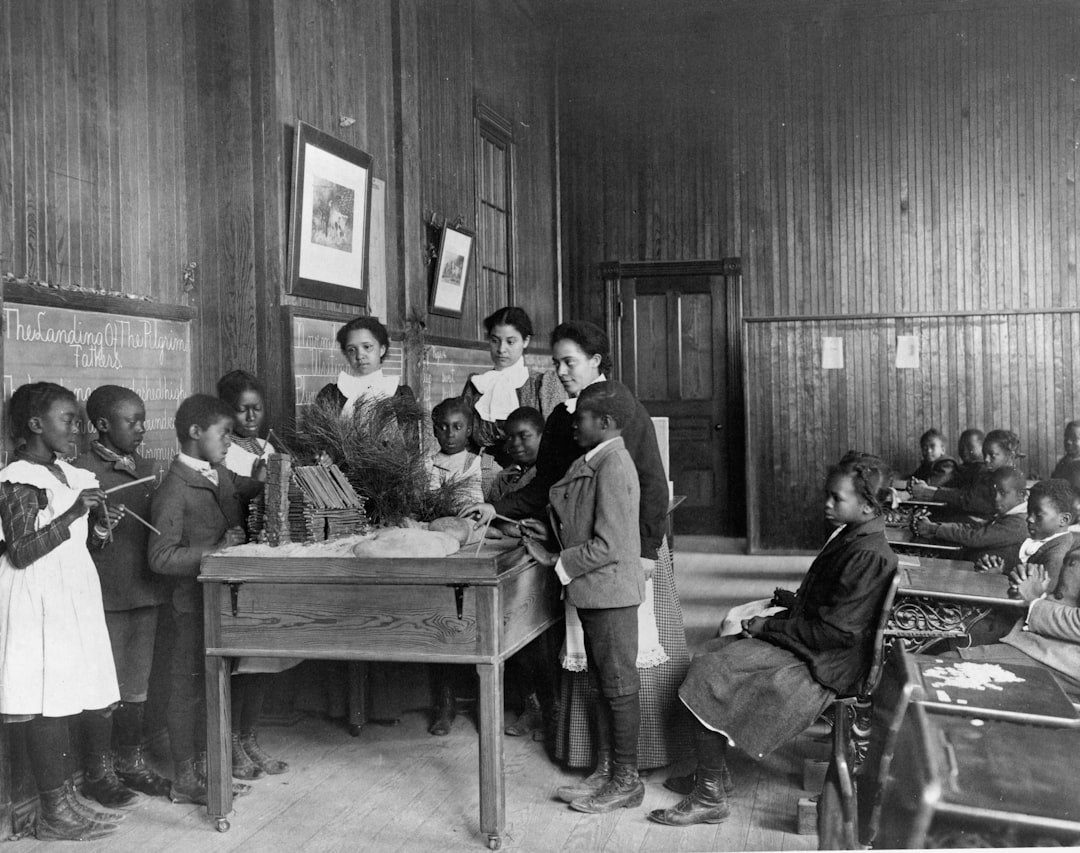
Photo by Library of Congress on Unsplash
Getting an external agency involved with a child on your SEND register sounds straightforward in theory. In practice, it's one of the more complicated bits of the job, and nobody really prepares you for it. The referral processes vary wildly between local authorities, waiting times can stretch to over a year, and communication between professionals is often far patchier than it should be. I've been through it enough times now to have a clearer picture of what actually helps.
This guide is aimed at childminders, nursery practitioners, and anyone working in an early years setting who needs to get the right support in place for a child. I'll cover who the key agencies are, how to approach referrals, and how to make sure the work these specialists do actually connects to what you're doing in the setting day-to-day.
Who you're likely to be working with
The most common external professionals early years settings encounter are speech and language therapists (SALT), educational psychologists (EPs), portage workers, occupational therapists (OTs), and physiotherapists. Depending on the child, you might also have involvement from a community paediatrician, a health visitor, a specialist teacher from the local authority, a visual or hearing impairment support team, or a family support worker.
Speech and language therapists are probably the most frequently involved, which makes sense given how central communication development is in the early years. If you're not sure whether a child's speech or language is a concern or just variation within the normal range, our guide on speech and language milestones is worth reading before you start down the referral route.
Portage is something a lot of practitioners outside maintained settings haven't used, but it's brilliant for children with complex needs, particularly those who are pre-school age. Portage workers visit the child at home and in the setting, help you plan very small, achievable steps, and act as a link between the family and other professionals. Not all areas have a portage service, but it's worth checking what's available in your local authority.
OTs often get involved when there are concerns about sensory processing, motor skills, or the child's ability to manage daily tasks like dressing and using cutlery. If you're supporting a child with significant sensory differences, you may want to look at how you can adapt your environment in the meantime: our post on adapting the early years environment for children with sensory processing differences covers some practical strategies you can implement without waiting for an OT assessment.
Making a referral that actually gets taken seriously
The quality of your referral documentation matters more than most people realise. A vague referral that says "child has speech delay and struggles to engage" is much less likely to move quickly than one that includes specific observations, baseline data, and evidence of what you've already tried.
Before you refer, you need to have documented your concerns over a period of time, ideally with dated observations that describe specific behaviours. Not "Leo struggles to communicate", but "Leo used three or fewer words per sentence consistently throughout November and December, did not initiate conversation with peers during free play, and became visibly distressed when asked to respond verbally in group activities." That kind of specificity tells the receiving professional what they're dealing with and demonstrates that you've been paying close attention.
You'll also need to show what you've already put in place. Most referral pathways require evidence of a graduated response, which is the Assess, Plan, Do, Review cycle described in the SEND Code of Practice. If you haven't yet written a support plan for this child, do that before you refer. Our step-by-step guide on writing an effective SEND support plan walks through exactly what should be in it.
Most referrals in early years settings are made with parental consent, and some pathways require it outright. Getting parents on board early is essential. Sharing concerns with a family is genuinely one of the harder parts of working in SEND, but going in with specific observations and a clear explanation of what the referral process involves makes it much less confrontational. If that conversation feels daunting, our post on having difficult conversations with parents might help you prepare.
The waiting game (and what to do during it)
SALT waiting times in some areas are running at 18 months or more for initial assessment. EP waiting lists can be equally long. This is the reality, and it's deeply frustrating, but it doesn't mean the child just waits.
The period between referral and first appointment is when your role becomes even more important. You're the one seeing the child every day. You can implement strategies based on what you know about the child's needs, seek advice from your SENCO (if you're in a setting with one), access any universal or targeted support services your local authority provides, and document everything carefully so that when the specialist does arrive, you have a detailed picture ready for them.
Many areas have a tiered advice service attached to the SALT pathway. This means that even before a child is seen by a therapist, you may be able to access a workshop, online resources, or a brief consultation. Ask about this when you make the referral. Makaton and PECS are both commonly recommended in the interim, and many settings find that even basic visual supports make a significant difference while waiting.
Keep your observations going. Use your key person approach to record what the child is doing across the day. This feeds into your report writing and provides the kind of baseline data that specialists genuinely find useful. If you're a childminder and you're not sure what good reporting looks like, our guide to writing meaningful end-of-term reports applies just as well to SEND update reports as it does to termly summaries.
Making the most of appointments and visits
When a specialist finally visits or when you attend a multi-agency meeting, you want to use that time well. This sounds obvious, but I've seen too many situations where practitioners turn up with nothing prepared and come away with a generic strategy sheet that doesn't really connect to the child they know.
Prepare a brief summary in advance: what the child can do, what the current challenges are, what you've tried, and what your specific questions are. Bring your observation notes. If the specialist is visiting the setting, let them see the child in a natural situation rather than pulling the child aside immediately. A lot can be learned from watching a child in their everyday environment that wouldn't show up in a clinical room.
Ask for the specialist's recommendations in writing. Verbal advice in a busy appointment is easy to misremember or misapply. If they say they'll send a report, follow up if you haven't received it within two or three weeks. It's not rude to chase, and a written set of strategies is much easier to share with parents and colleagues.
Ask specific questions. Rather than "what should we do about his behaviour?", try "he's hitting out when he can't make himself understood, and we're currently using a picture exchange system. Is there something more we can do within that, or would you recommend a different approach?" You'll get a far more useful answer.
Record the recommendations and build them into the child's support plan. If the OT suggests proprioceptive activities before group time, those need to become part of the daily routine, with someone responsible for delivering them. Good intentions that don't make it into the timetable don't help the child.
Multi-agency working and EHC assessments
For children with the most complex needs, you may be involved in a request for an Education, Health and Care (EHC) needs assessment. This is a significant process and it involves gathering evidence from everyone who works with the child, including you.
Your contribution to an EHC assessment matters. The local authority needs to hear from the people who know the child day to day, not just the clinical assessments. Write your section carefully, with specific examples and honest descriptions of both the child's strengths and the barriers they face. Avoid woolly language and get specific about what support is currently in place and why it isn't enough.
Multi-agency meetings, whether they're around an EHC assessment, a Team Around the Child (TAC) meeting, or a review, can feel a bit overwhelming if you're not used to them. The key thing to remember is that your professional knowledge of the child is just as valid as anyone else's in the room. Don't let clinical language or the presence of specialists from health or social care make you feel like the least important person there. You often know the child better than anyone.
Bring parents into this process. They should be central to any multi-agency meeting, not an afterthought. Let them know in advance what the meeting involves, who'll be there, and what kinds of decisions might be made. If English isn't their first language, flag this to the meeting organiser so an interpreter can be arranged. Parents who feel informed and respected are far more likely to be consistent partners in implementing whatever's agreed.
Behaviour that challenges is very often connected to unmet communication needs or sensory overwhelm. If behaviour is a significant part of the picture you're trying to explain to external agencies, our post on behaviour as communication frames this in a way that might be useful to share with colleagues or include in your evidence.
Keeping everyone on the same page
The thing that falls apart most often in multi-agency working isn't the initial referral or even the specialist assessment. It's the ongoing communication afterwards. Strategies get recommended, parents get a copy, you get a copy, and then six months pass without any of the three parties talking to each other about how it's going.
Build in regular reviews. Even a brief five-minute conversation with a parent at pick-up can reveal that the visual timetable the SALT recommended is working brilliantly at home but the child doesn't seem to engage with it at the setting. That kind of information should be feeding back into what you're doing. It goes both ways.
Keep a simple log of contacts: who you've spoken to, what was discussed, and what was agreed. This isn't bureaucracy for its own sake. If there's ever a concern about whether a child's needs were properly addressed, that log demonstrates that you were actively working to keep everyone informed. It also makes Ofsted inspections much smoother, because you can show the joined-up approach you've taken rather than just describing it.
Some settings create a one-page profile or passport for children with SEND, something that captures the child's communication preferences, what works well, what to avoid, and who the key contacts are. If the child moves to a new room, a new key person, or a school reception class, this document means the child's needs don't get lost in the transition. It's one of the most practical things you can put in place, and it takes an afternoon to set up.
The honest truth is that working with external agencies requires persistence. Referrals get lost, professionals change, waiting times stretch. The children can't wait for the system to work perfectly. So you document carefully, advocate clearly, keep parents informed, and do what you can in the meantime. That's the job.
Save hours on planning and paperwork
EduNest helps childminders, nurseries, and teachers with EYFS planning, progress checks, and more. Try it free.
Get Started FreeRelated articles

Adapting the Early Years Environment for Children with Sensory Processing Differences
When a child walks into nursery and heads straight for the quietest corner, hands clamped over his ears before the singing starts, that's not behaviour to manage — it's communication. This article looks at what sensory processing differences actually look like in early years settings, and what practitioners can do with the real, imperfect spaces most of us are working in.
How to Write an Effective SEND Support Plan: A Step-by-Step Guide for Early Years Practitioners
Many practitioners find that writing a SEND support plan is straightforward enough until they actually sit down to do it — then the blank page has a way of making everything feel uncertain. This guide works through the process in practical terms, grounded in what genuinely helps children rather than what satisfies a checklist.