Behaviour as Communication: Understanding and Responding to Challenging Behaviour in Early Years Settings
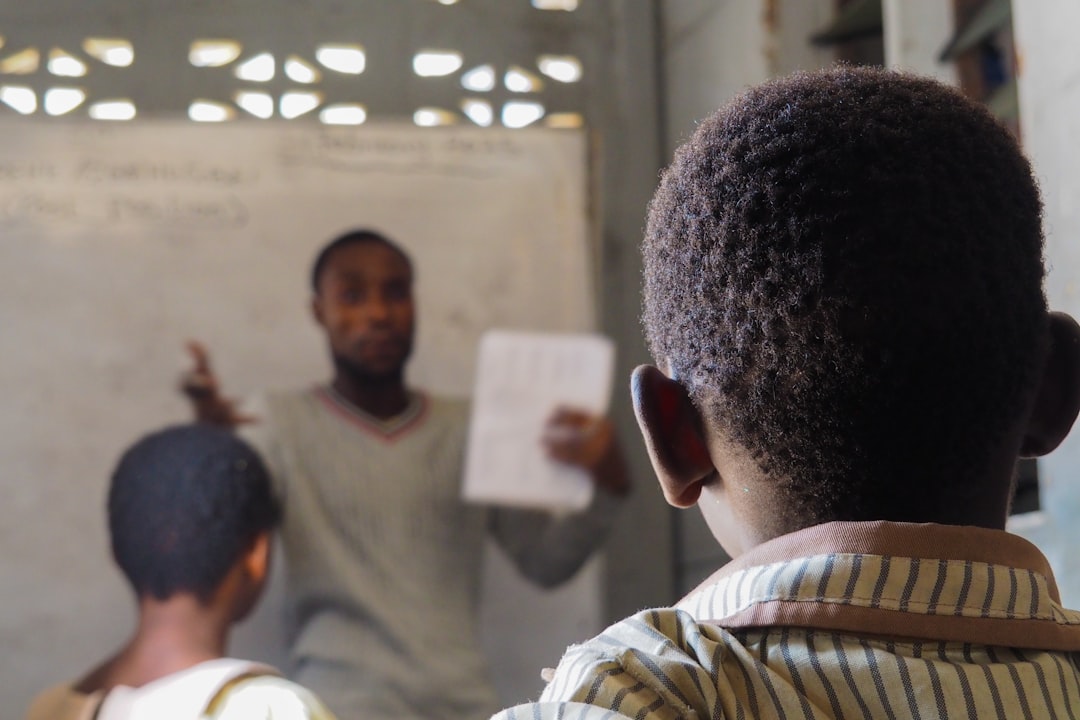
Photo by David Geneugelijk on Unsplash
A child throws a toy across the room. Another bites a friend without warning. A three-year-old screams for twenty minutes because their cup was the wrong colour. If you've worked in early years for any length of time, you've seen all of this and more. The question isn't whether challenging behaviour happens. It's what you do with it.
The shift that changed how I approach this work was simple but took me longer to truly internalise than I'd like to admit: behaviour is communication. Not an excuse, not a manipulation, not a phase to wait out. Communication. A child who can't yet say "I'm overwhelmed" or "I missed my mum today" or "I don't understand what's happening" will find another way to tell you. Usually a louder one.
This doesn't mean every difficult moment requires a deep psychological investigation. Sometimes a child is tired. Sometimes they're hungry. Sometimes they're two. But the habit of asking "what is this child trying to tell me?" before reaching for a consequence changes everything about how you respond.
Why early years behaviour looks different to everything else
Children under five are working with brains that are genuinely not yet capable of the things we sometimes implicitly expect from them. Emotional regulation, impulse control, empathy, the ability to wait: these are skills that develop over years, not things a child either has or doesn't have. The prefrontal cortex, which handles all of this, isn't fully developed until the mid-twenties. Expecting a three-year-old to consistently manage their feelings is a bit like expecting them to read.
This matters because it changes the lens entirely. A child who hits isn't necessarily aggressive. A child who refuses to share isn't necessarily selfish. A child who melts down daily at 3pm probably isn't being difficult on purpose. They're telling you something about what they need, what's hard for them, or what's happening in their world.
Attachment plays a huge role here too. Children who haven't yet formed secure attachments, or who are experiencing insecurity at home, will often show this in their behaviour at the setting. That doesn't mean you can fix their home life, but it does mean you can be a consistent, predictable presence who responds the same way every time. That consistency is more powerful than most practitioners realise.
Reading the behaviour before you respond to it
When behaviour escalates, the instinct is to deal with it immediately. And yes, sometimes you have to. But before you respond, even if that's just a two-second internal pause, try to read what's actually going on.
Ask yourself: what happened just before this? Not always the obvious thing, but what was the context. Was the room noisier than usual? Had the routine changed? Had another child just received attention? Was the child in question tired, hungry, or coming off the back of a difficult transition? I've noticed that what looks like sudden aggression is often anything but sudden. There's usually a build-up, and once you start noticing the pattern, you can often intervene before things tip over.
Think about what the child gains from the behaviour (or what they avoid). A child who bites may be getting space when others back away. A child who has a tantrum in the book corner every morning might be avoiding circle time, which feels overwhelming. Understanding the function of behaviour helps you respond to the need rather than just the behaviour itself.
It's also worth thinking about sensory experience. Some children are deeply affected by noise, light, texture, or movement in ways that aren't always visible. If you've got a child who seems to fall apart in busy, high-stimulation environments, it's worth reading more about adapting the early years environment for children with sensory processing differences. What looks like defiance is sometimes a child who is genuinely overwhelmed and has no other way to say so.
In-the-moment strategies that actually help
Get down to the child's level. This sounds obvious but it matters. Towering over a dysregulated child escalates things. Crouching down, making yourself smaller, speaking quietly: these are physical signals that you're safe, not threatening.
Keep your language simple. When a child is in the middle of a meltdown, the brain is flooded with cortisol and adrenaline. Long explanations don't land. "You're safe. I'm here." is more useful than a three-sentence explanation of why we don't throw things.
Don't try to reason with a child who is fully dysregulated. The time for talking about what happened and what to do differently is after the storm has passed, when the child is calm and can actually process what you're saying. Trying to have that conversation mid-meltdown is a waste of everyone's energy.
That said, you do need to acknowledge what you're seeing. "I can see you're really angry right now" does more than "stop crying." It tells the child that their feeling is real, that you see them, and that you're not frightened of their emotion. Co-regulation, where a calm adult essentially lends their regulated nervous system to a dysregulated child, is what actually brings children back to a place where they can function. You can't co-regulate if you're also escalating.
Distraction and redirection work well with younger children, particularly under-threes. There's nothing wrong with it. If a 20-month-old is heading for a meltdown because they want to play with something dangerous, redirect them confidently and move on. You don't need a lengthy explanation. The developmental stage doesn't require it.
For children who are biting specifically, the response needs to be calm, immediate, and consistent. Comfort the child who was bitten first, visibly and warmly. Keep your response to the biter low-key but clear. Dramatic reactions to biting often reinforce it because the reaction itself becomes interesting. I know it's genuinely hard not to react strongly when a child has just bitten another, but a matter-of-fact "we don't bite, biting hurts" while moving the child away is more effective than anything more theatrical.
When behaviour is a longer-term pattern
Some children need more than good in-the-moment responses. If a child is showing persistent challenging behaviour across weeks or months, you need to be more systematic about it.
Start by actually observing and recording. Not just the behaviour itself, but the antecedents (what happened before) and the consequences (what happened after). A simple ABC chart over two weeks can reveal patterns that aren't obvious in the moment. You might discover that most incidents happen in the thirty minutes before lunch, or during transitions between activities, or when a particular combination of children are together. That information is gold because it lets you make practical changes to prevent behaviour rather than just react to it.
Think about what the child's day looks like from their perspective. Are there enough choices? Enough movement? Too much time sitting still? Too many transitions? Children who have low tolerance for frustration often do better when the environment and timetable give them more control over small things. This links to how you plan your sessions generally. If you're thinking about planning EYFS activities around the seven areas of learning, it's worth considering how your provision can build in agency and reduce flashpoints.
Communication and language delays are very frequently a factor in challenging behaviour. A child who doesn't have the words for what they need will use their body instead. If you have a child whose behaviour is particularly difficult and their speech and language development is delayed, these two things are almost certainly connected. Our post on speech and language milestones for early years practitioners covers what to look for and when to refer.
If you're working with a child whose behaviour is significantly impacting them or others, it's time to think about a more formal support plan. That might mean involving the SENCO, making a referral to an educational psychologist, or developing a structured support plan. The process for doing this properly is covered in detail in our guide on writing an effective SEND support plan. Early intervention genuinely makes a difference. Waiting to see if a child "grows out of it" sometimes works, but it's not a strategy.
Don't underestimate the role of schemas either. A child who seems to be constantly running, throwing, or knocking things down might be in the grip of a trajectory or rotation schema. Understanding this changes the whole framing from "this child is destructive" to "this child is exploring a particular idea and needs channelling." If schemas are new territory for you, it's worth reading up on observing and extending children's repeated play patterns.
The parent conversation you can't avoid
At some point, you'll need to talk to a parent about their child's behaviour. This is often the hardest part. Parents can feel accused, defensive, or embarrassed. Some will be completely unaware that their child behaves differently in the setting. Others will tell you the child is fine at home, which is entirely possible and not at all helpful.
The framing matters enormously. Talking about behaviour as communication, rather than as a problem to be fixed, changes the whole tone of the conversation. "I've noticed that Jayden seems to find transitions really difficult and tends to express that by hitting. I want to understand him better and figure out what would help" lands very differently from "Jayden has been hitting again and we need to address it." Both are true. One is a partnership; the other is an accusation.
For more on navigating these conversations, including when things get emotionally charged, our guide on having difficult conversations with parents is worth a read.
Make sure whatever you agree on at home and in the setting is consistent. Children adjust to different expectations in different environments, but consistent language, consistent responses, and consistent boundaries make life considerably easier for everyone. If you're updating your behaviour policy to reflect this approach, our post on writing a childminding policies and procedures pack that satisfies Ofsted covers what inspectors expect to see.
What this actually looks like day to day
I want to be honest: taking a "behaviour as communication" approach doesn't mean every day is calm or that you never feel exasperated. It's hard work. There will be days when a child has bitten three times before 10am and you're running on your third coffee and you're struggling to think about what they might be communicating rather than just containing the chaos.
The practice is imperfect. You won't always get it right in the moment. But the cumulative effect of consistently asking "what does this child need?" rather than "how do I stop this behaviour?" is significant. Children feel it. Their nervous systems respond to a practitioner who is calm, curious, and not frightened of big emotions. Over time, you'll often see a reduction in the intensity of behaviour simply because the child has learned that their needs will be noticed and responded to.
Keep your own wellbeing in mind too. Persistently challenging behaviour is genuinely exhausting, and compassion fatigue is real. Talking to colleagues, supervision, and honest reflection on what's working and what isn't are not luxuries. They're how you sustain this kind of work over a career.
The practical takeaway: next time a child's behaviour stops you in your tracks, before you respond, take one breath and ask yourself one question. Not "why are they doing this?" but "what are they trying to tell me?" That small shift in question changes where you look for the answer, and that changes everything that comes next.
Save hours on planning and paperwork
EduNest helps childminders, nurseries, and teachers with EYFS planning, progress checks, and more. Try it free.
Get Started FreeRelated articles

Speech and Language Milestones: A Practical Guide for Early Years Practitioners in the UK
Early years practitioners are often the first to notice when a child's speech and language development isn't quite following the expected path — but knowing what's typical, what warrants concern, and how to navigate referral pathways isn't always straightforward. This guide sets out the key milestones clearly and gives practitioners something practical to act on, whether they're supporting a child in the setting or talking to a worried parent.

Understanding Schemas in Early Years: How to Observe and Extend Children's Repeated Play Patterns
Children's repeated, seemingly baffling play behaviours — the endless moving, wrapping, filling, and spinning — are far from random, and understanding why they happen changes how you see everything in the early years setting. This article unpacks what schemas are, where the idea comes from, and how recognising them lets you plan provision that actually meets children where they are.