What the Keeping Children Safe in Education 2024 Updates Mean for Your School
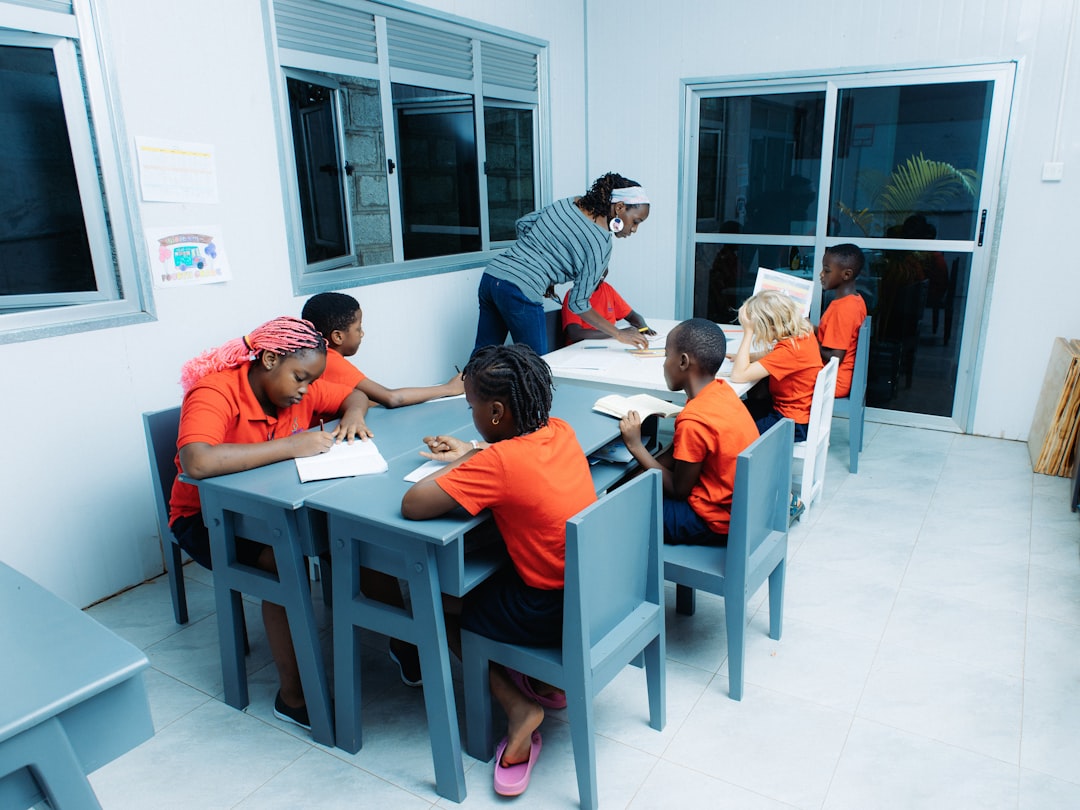
Photo by Rewired Digital on Unsplash
Every September, schools across England brace themselves for the updated version of Keeping Children Safe in Education. KCSIE 2024 landed with its usual mix of clarifications, additions, and the occasional head-scratcher. If you're a designated safeguarding lead trying to work out what's actually changed, or a headteacher wondering whether your current policies need rewriting, this post breaks down the key updates and what they mean in practice.
I want to be honest upfront: some of the changes are significant, and some are refinements to existing guidance. Not everything requires you to overhaul what you're doing. But a few areas do need proper attention.
What's Actually New (and What Just Looks New)
One of the frustrations with KCSIE updates is that Keeping Children Safe in Education uses a lot of the same language year on year, so it can be hard to spot what's genuinely different. The 2024 version made some structural tweaks to Part One, which is the section all staff must read. The language around what staff should know and be able to recognise has been tightened up, and schools are expected to ensure staff don't just receive the document but actually understand it. That distinction matters during an Ofsted visit.
The guidance around filtering and monitoring is one of the more concrete additions. Schools have had an expectation to have appropriate filters and monitoring systems in place for a few years now, but the 2024 update is more explicit about what "appropriate" looks like. There's now a stronger steer that schools should be able to demonstrate they review their filtering systems regularly, that those systems are age-appropriate, and that monitoring isn't just switched on and forgotten. I've spoken to DSLs who discovered their monitoring software was generating alerts nobody was actually reading. That won't cut it now.
There's also more emphasis on the designated safeguarding lead being accessible during school hours, not just nominally in place. For smaller primary schools where the DSL is also the headteacher juggling three other roles, this creates a genuine challenge that deserves honest conversation at governor level.
Child-on-Child Abuse: Sharper Expectations
The 2024 guidance has strengthened the section on child-on-child abuse (previously called peer-on-peer abuse), and this is an area where a lot of schools still have gaps. The language is clearer that minimising or normalising harmful behaviour between pupils is not acceptable, and that staff need to be equipped to recognise it.
What does this look like on the ground? A year six class where boys routinely make sexual comments to girls, brushed off as "banter." A group chat where images are shared without consent. These aren't edge cases. I've worked with settings where staff genuinely didn't know whether certain behaviours crossed a safeguarding threshold, partly because no one had trained them to think about it. The 2024 update makes it harder to claim that ambiguity as a defence.
Schools are expected to have a specific policy on child-on-child abuse or clear coverage within their main safeguarding policy. If yours doesn't address online behaviour explicitly, including the sharing of nude or semi-nude images (sexting, in everyday language), that needs addressing before your next review.
The UKCIS guidance on sharing nudes and semi-nudes is worth reading alongside KCSIE if your secondary school is still treating these incidents as purely a disciplinary matter. They're safeguarding concerns first.
Mental Health, Attendance, and the DSL's Role
KCSIE 2024 continues to push the message that mental health and safeguarding are connected, and that persistent absence is a safeguarding concern, not just an attendance one. The updated guidance links unexplained or persistent absence more explicitly to potential harm at home, exploitation, or other serious concerns.
This is an area where the join-up between pastoral leads, attendance officers, and DSLs really matters. In my experience, these teams often operate in silos, with attendance being chased through one system and safeguarding referrals going through another, and the two never quite talking to each other. A child who suddenly stops attending might be on the register for low attendance but never flagged to the DSL. The 2024 guidance pushes schools to close that gap.
There's also updated content around the mental health of children in care and previously looked-after children. Virtual school heads and personal education plans get a stronger mention, and schools are expected to be more proactive in using the funding attached to looked-after children to address emotional wellbeing, not just academic attainment.
Safer Recruitment: Small but Important Changes
The safer recruitment section has been updated to reflect changes in how DBS checks work and to clarify responsibilities around contractors and supply staff. This is an area that trips up a lot of schools during inspection, because the paperwork trail can be incomplete even when the intent is right.
One thing the 2024 update is clearer about: the single central record needs to reflect actual checks completed, not just checks requested. If a supply agency is used, schools need to confirm what checks have been done rather than simply taking the agency's word for it. That sounds obvious, but plenty of schools have been caught out.
Reference checks for new appointments also get a slightly sharper treatment. The guidance is more explicit that references should be sought before interview where possible (not just before appointment), and that referees should be asked directly about any concerns around the candidate's suitability to work with children.
What This Means for Your Day-to-Day Practice
Reading the full document is non-negotiable for DSLs and deputies, but realistically, you need a system for getting the key changes to the rest of your staff without asking everyone to read 180 pages of statutory guidance. A training session at the start of the autumn term is the baseline, but it needs to be specific to 2024, not a repeat of last year's generic safeguarding update.
A few things I'd prioritise for staff training:
- What child-on-child abuse looks like online and in school, and how to report concerns without dismissing them
- The link between persistent absence and safeguarding risk
- Who the DSL is, how to contact them, and what to do if they're unavailable
- Your school's filtering and monitoring systems, and what staff should do if they notice something concerning on a school device
On the policy side, if your last full safeguarding policy review was before September 2023, you almost certainly have content that needs updating. Policies that still use the old "peer-on-peer" language, don't address online harm explicitly, or reference the old KCSIE version in their footer are overdue for a rewrite.
Governor training is another area that often lags behind. The chair of governors and the designated safeguarding governor need to understand the 2024 changes well enough to ask sensible questions at board meetings and during Ofsted. "We've adopted the new KCSIE" isn't enough. They should be able to speak to what changed and how the school responded.
A Word on Contextual Safeguarding
KCSIE 2024 gives a bit more weight to contextual safeguarding, the idea that risk to children doesn't only happen inside the home or school, but in peer groups, online spaces, and community settings. For secondary schools especially, this means thinking about what's happening in children's lives outside the building.
This doesn't mean schools are responsible for policing their pupils' entire social lives. But it does mean that a DSL who knows a particular area has a county lines problem, or is aware that a group of year nines are spending time with older adults, needs to factor that context into how they assess risk. Information sharing with police and social care becomes more important here, and schools should feel confident requesting multi-agency meetings when they have concerns that don't fit neatly into a single referral.
The Contextual Safeguarding Network has good resources on this if you want to build your DSL team's knowledge. It's a genuinely useful framework for thinking about cases that feel stuck.
One Practical Step Before September Ends
If you haven't already done a KCSIE 2024 gap analysis against your current policy and practice, that's the place to start. There are templates available through local authority safeguarding teams, and the NSPCC Learning hub has an updated one worth bookmarking.
Don't just tick a box and file it. The point of the gap analysis is to surface the two or three things that genuinely need action, not to generate paperwork. In most schools I've seen, the real gaps are in staff confidence around child-on-child abuse, in the join-up between attendance and safeguarding data, and in making sure monitoring systems are actively reviewed rather than just running in the background.
Fix those three things, and you've done the meaningful work that KCSIE 2024 is actually asking for.
Save hours on planning and paperwork
EduNest helps childminders, nurseries, and teachers with EYFS planning, progress checks, and more. Try it free.
Get Started FreeRelated articles
How to Write a Safeguarding Policy for Your Childminding Setting in 2026
A safeguarding policy that's been copied from a template and left to gather dust is worse than useless — if something goes wrong, it needs to hold up under scrutiny. This guide walks through exactly what your policy must cover in 2026, how to make it genuinely reflect your setting, and the common mistakes that leave childminders exposed.