How to Write a Safeguarding Policy for Your Childminding Setting in 2026
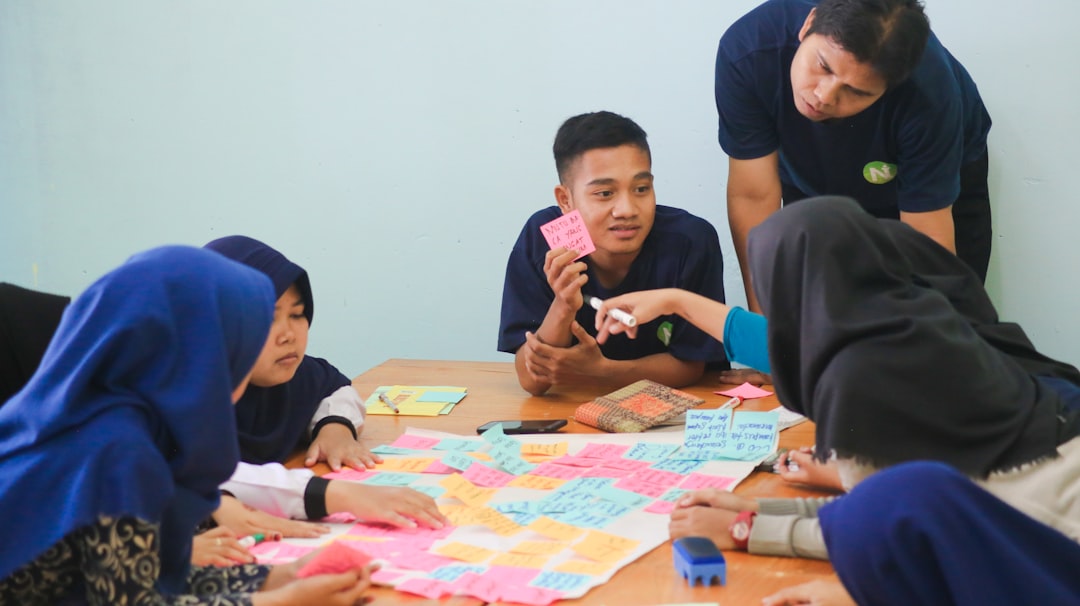
Photo by Zainul Yasni on Unsplash
Your safeguarding policy is probably the most important document in your setting. Not because Ofsted will scrutinise every word of it during inspection (though they will ask about it), but because if something goes wrong, this is the document that shows you had a clear plan, you understood your responsibilities, and you were ready to act. Getting it right matters enormously.
I've seen a lot of childminder policies over the years, and the ones that fall short tend to share the same problem: they're copied from a template, barely personalised, and the childminder can't actually tell you what's in them. That's a problem. Ofsted aren't just checking that a policy exists. They want to know you understand it and can put it into practice.
This guide walks through what your safeguarding policy needs to cover in 2026, how to write it in a way that actually reflects your setting, and what to watch out for if you're updating an older version.
What your policy is actually for
A safeguarding policy isn't bureaucracy for its own sake. It's a working document that tells everyone, including you, parents, assistants, and any other professional who enters your setting, exactly how you'll keep children safe. It should answer three questions: what do you do if you have a concern, who do you contact, and how do you record it.
The EYFS makes safeguarding a non-negotiable. Childminders registered with Ofsted must have a safeguarding policy that meets the requirements of the EYFS framework and aligns with the statutory guidance Working Together to Safeguard Children, updated in 2023. If you haven't checked your policy against the 2023 version of Working Together, do that before anything else.
One thing worth saying upfront: your safeguarding policy doesn't need to be 20 pages long. A clear, well-organised document of 4-6 pages is far better than an unwieldy one that nobody reads. Clarity matters more than length.
The sections you need to include
There's no single prescribed format, but the following areas should all be covered. I'll go through each one and explain what to actually write, not just what heading to put.
Your role and responsibilities. Start by stating who you are, your registration number, and your role as the designated safeguarding lead (DSL) for your setting. As a sole childminder, you are the DSL. If you have an assistant, clarify their role too. This section should also reference your DBS certificate and the fact that all adults working in your setting are checked.
Definitions of abuse. Include brief, accurate definitions of the four categories of abuse: physical, emotional, sexual, and neglect. You don't need to write essays here. A short paragraph on each is enough. Pull the definitions from Working Together 2023 or the NSPCC guidance so they're current. Some childminders also include a note on exploitation, including child sexual exploitation (CSE) and child criminal exploitation (CCE), which is good practice given how the guidance has evolved.
Indicators of concern. This is where a lot of policies are vague, and it's the section Ofsted is most likely to dig into. List specific indicators for each type of abuse. For neglect, that might include consistently poor hygiene, hunger, or children who are frequently unwell without medical attention being sought. For emotional abuse, look for low self-esteem, fear of making mistakes, or extreme attachment behaviours. Be specific enough that someone reading the policy would actually know what to look for.
Reporting procedures. Spell this out clearly. If you have a concern, you contact your local Multi-Agency Safeguarding Hub (MASH) or children's services duty team. Include the local contact number and the NSPCC helpline (0808 800 5000) as a backup. State that in cases of immediate danger, you call 999. Note that you'll also notify Ofsted of any safeguarding incidents. The policy should say that you don't promise children confidentiality and that information is shared on a need-to-know basis.
Record keeping. Describe how you document concerns. Most childminders use a written concern log, noting the date, what was observed or said, the child's exact words where possible, who you told, and what action was taken. Keep these records separate from general learning journals and store them securely. If you're ever involved in a child protection case, contemporaneous records are invaluable.
Allegations against adults. This section often gets left out or is vague, and that's a mistake. Your policy needs to explain what happens if an allegation is made against you or any adult in your setting. The process here is different: you don't refer to MASH, you refer to the Local Authority Designated Officer (LADO). Include your LADO contact details. This feels uncomfortable to write about, but it's a professional and legal requirement.
Online safety. In 2026, this section needs proper attention. If you use any devices with children, tablets for learning activities, phones to take photos for learning journals, video calls with family, you need to address this. Cover how devices are used, how images are stored and shared, your approach to social media, and how you keep children safe online. The UK Safer Internet Centre has good, up-to-date guidance if you're not sure where to start.
The Prevent duty. Childminders are subject to the Prevent duty under the Counter-Terrorism and Security Act 2015. Your policy should acknowledge this and briefly explain how you'd respond if you were concerned a child or family member might be at risk of radicalisation. It doesn't need to be lengthy, but it can't be missing.
If you're also working through other aspects of your paperwork, the guide on writing a childminding policies and procedures pack that satisfies Ofsted is worth reading alongside this one, since safeguarding connects to several other required policies.
How to make it specific to your setting
This is the bit that separates a good policy from a generic template. Anyone can download a template. What Ofsted wants to see, and what genuinely makes your policy useful, is that it reflects how you actually work.
For example, if you regularly take children to a local park, your policy should mention how you manage outings and what your supervision ratios are. If you have a child with additional needs in your care, you might note how communication about welfare concerns is adapted. If you work from a home that other adults also live in, address how that's managed in terms of access to children.
I'd also suggest adding a short paragraph about how you build relationships with families so that concerns can be raised early. In my experience, the families who feel genuinely welcome in a setting are more likely to share worries, which means you catch problems sooner. That's not something most templates include, but it's real safeguarding practice.
Don't just name your local MASH team. Include the phone number. Same with the LADO. A policy that says "contact the relevant local authority" is much less useful than one that has an actual number you'd ring at 3pm when you're stressed and trying to make a decision quickly.
Reviewing and updating your policy
Your policy should be reviewed at least annually and whenever there's a significant change in guidance or legislation. Working Together was updated in 2023 and there may well be further revisions before long. The changes brought in through Keeping Children Safe in Education 2024 are primarily aimed at schools, but they're worth reading because they often signal the direction of travel for early years guidance too.
Keep a record of when you reviewed the policy and what changes you made. A simple review log at the back of the document is enough: date, what was checked, what was changed, your signature. This shows Ofsted you're actively maintaining it rather than just filing it away.
Tell parents when you've updated it. You don't need to give them the whole document every time (though you should give it to them when they first register with you), but a brief note in your setting newsletter or a message to say "I've updated my safeguarding policy, a copy is available on request" keeps them informed and demonstrates transparency.
Training matters here too. A policy is only as good as your ability to act on it. The Safeguarding Alliance, the NSPCC Learning platform, and many local authorities offer free or low-cost safeguarding training for childminders. Most recommend refreshing your training every two years at minimum, though annually is better practice. If you've done your training more than two years ago, book something now rather than waiting for an inspection to prompt you.
One more thing: share the relevant parts of your policy with any assistants or volunteers in your setting. They don't need to memorise it, but they should know what to do if they have a concern, who to tell, and that they must never promise a child they'll keep something secret.
Writing this policy well isn't just a box-ticking exercise. Every so often, childminders are the first person to notice that something is wrong for a child. The fact that you had a clear procedure, you knew exactly who to call, and you documented everything carefully can make a real difference to what happens next for that child. That's what this document is actually for.
Once your safeguarding policy is in good shape, it's worth reviewing your wider approach to children with additional vulnerabilities. The guide on writing an effective SEND support plan has some useful crossover, particularly around documentation and working with outside agencies.
Save hours on planning and paperwork
EduNest helps childminders, nurseries, and teachers with EYFS planning, progress checks, and more. Try it free.
Get Started FreeRelated articles

What the Keeping Children Safe in Education 2024 Updates Mean for Your School
The September update to Keeping Children Safe in Education is never just an admin exercise — and 2024 is no exception. This breakdown cuts through the document to show DSLs and headteachers exactly where the guidance has teeth and what genuinely needs to change in your school.